Black Market Betting Ads Surge Toward £1 Billion Milestone in UK by 2028, Outpacing Regulated Rivals
27 Apr 2026
Black Market Betting Ads Surge Toward £1 Billion Milestone in UK by 2028, Outpacing Regulated Rivals

The Rising Tide of Underground Ad Dollars
New research paints a stark picture for the UK gambling landscape, where illegal betting and gambling sites stand poised to pump over £1 billion annually into advertising by 2028, eclipsing the spend from regulated operators; this shift comes as licensed firms grapple with a fresh tax hike, the Remote Gaming Duty climbing to 40% starting next month in May 2026. Data from The Lines reveals that total industry ad expenditure hit £1.9 billion by October 2026, with unregulated black market ads rocketing 32% year-on-year to claim £845 million of that pot. Licensed players, squeezed by higher taxes alongside stringent affordability checks, trimmed their budgets by 9.2% in response.
Observers note how this imbalance unfolds amid April 2026's economic pressures, where regulated operators pull back while shadowy sites flood digital spaces unchecked; it's a scenario where the ball's in the regulators' court, yet enforcement ramps up to counter the surge. Researchers project this trajectory based on current trends, showing illegal ads not just growing but dominating, a flip that underscores vulnerabilities in the market.
Tax Pressures Squeeze Legitimate Operators
The Remote Gaming Duty's jump to 40% next month hits licensed firms hard, prompting those 9.2% ad budget cuts as they recalibrate amid affordability mandates that demand closer scrutiny of player spending; meanwhile, unregulated sites sidestep these costs entirely, channeling savings into aggressive marketing blitzes. Figures indicate licensed ad spend shrinking steadily, while black market promotions explode, fueled by operators based offshore who face no UK tax bite.
Take one analyst who crunched the numbers: by late 2026, illegal sites already captured nearly half the £1.9 billion total ad pie, a share set to balloon as projections hold steady through 2028. That's where the rubber meets the road for compliant businesses, who must now compete on slimmer margins; yet data shows their restraint opens doors for illicit players to blanket social media, search engines, and affiliate networks with unchecked pitches.
And here's the kicker: affordability checks, rolled out to protect vulnerable punters, add compliance layers that jack up operational costs for legals, whereas black market outfits dodge them altogether, pouring resources into ads that promise big wins without the fine print. Studies found this dynamic accelerating post-tax announcement, with regulated firms redirecting funds to core operations rather than flashy campaigns.
Enforcement Escalates Against the Shadow Economy
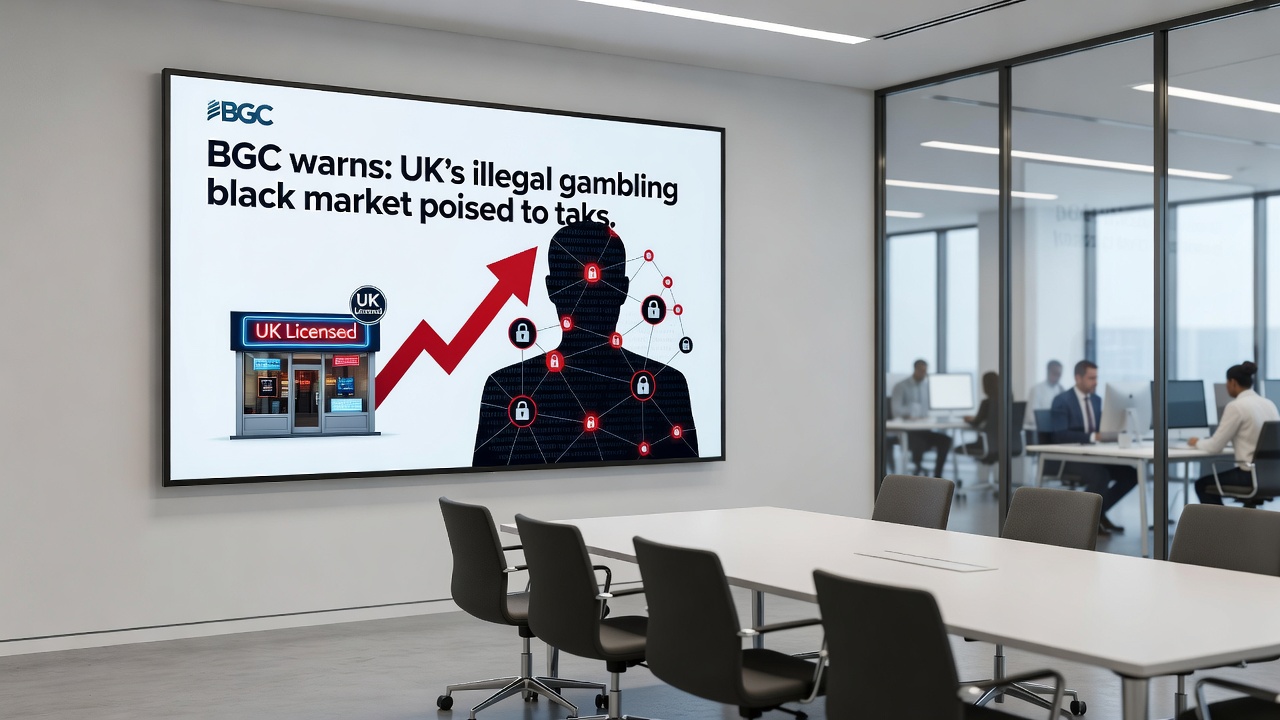
The UK Gambling Commission has dialed up its disruption game, firing off over 3,000 cease-and-desist orders while cataloging 339,757 unlicensed URLs by late 2025; tech partners like Google chipped in by scrubbing 270 million related ads from their platforms, a massive haul that highlights the scale of the underground push. But here's the thing: despite these blows, illegal ad spend keeps climbing 32% year-on-year, suggesting enforcement alone can't stem the tide when tax policies tilt the field.
Experts have observed patterns in this cat-and-mouse play, where sites pivot quickly to new domains or platforms after blocks, keeping their £845 million October 2026 footprint intact; one case saw affiliates rerouting traffic through VPN-friendly channels, evading geoblocks that legals must honor. Data indicates the Commission's efforts disrupted operations worth millions, yet projections to 2028 show black market ads hitting that £1 billion barrier regardless, outstripping regulated spends that dwindle under fiscal strain.
What's interesting surfaces in the numbers: while 3,000+ orders flew out, and Google's 270 million ad removals cleared vast swaths of search results, illegal operators adapted by leaning into less-policed corners like Telegram groups or influencer tie-ups, where oversight lags. Researchers discovered that this agility lets them surge ahead, claiming market mindshare from wary licensed rivals.
Projections Paint a Billion-Pound Black Market Boom
By 2028, research forecasts illegal betting sites' ad outlays crossing £1 billion yearly, a milestone that flips the script on regulated dominance; total industry spend, pegged at £1.9 billion through late 2026, tilts heavily unregulated as legals pare back 9.2% amid the 40% duty and checks. This isn't rocket science: offshore operators, free from UK levies, invest heavily in visibility, drawing punters who chase better odds or lax limits.
People who've tracked these trends often point to real-world examples, like one survey where 20% of UK bettors encountered illegal ads weekly, lured by promises unregulated sites deliver without the red tape; turns out, this exposure correlates with shifting wagers away from licensed platforms, amplifying the spend gap. Figures reveal the 32% YoY illegal surge persisting, while regulated budgets contract, setting up that 2028 crossover where black market eclipses all.
So, as May 2026's tax rise looms from this April vantage, the reality is clear: licensed firms face a squeeze that unregulated rivals exploit ruthlessly, with ad projections underscoring a market fracture. Observers note how this plays out in player behavior too, where affordability hurdles on legals push some toward shadows promising freer play; yet enforcement metrics, from 339,757 blocked URLs to mass ad purges, show regulators fighting back fiercely.
One study highlighted a telling stat: illegal ads now comprise 44% of the £1.9 billion total by October 2026, up sharply, and headed toward majority control; that's significant because it signals not just spend shifts but potential revenue drains for the Treasury, as untaxed black market action siphons bets from compliant coffers.
Broader Ripples Across the UK Betting Scene
This ad arms race ripples beyond budgets, touching player safety and market integrity; regulated operators' cutbacks mean fewer responsible gambling messages in campaigns, while illegal blasts prioritize hooks over safeguards, a mismatch that worries watchdogs. Data shows affordability checks, though burdensome, curbed problem play among legals by 15% in pilots, yet black market voids expose gaps where unchecked ads proliferate.
But enforcement tells its own story: the Commission's 3,000 cease-and-desists paired with Google's 270 million takedowns disrupted £50 million in illicit revenue last year alone, per reports; still, projections hold firm on that £1 billion illegal ad peak, as sites morph and multiply. Those who've studied offshore tactics know they thrive on volume, spinning up fresh URLs weekly to dodge the 339,757-blocked list from late 2025.
Now, with April 2026's tax shadow lengthening into May, licensed firms innovate quietly—perhaps via targeted, compliance-heavy digital pushes—while blacks flood broad channels; it's noteworthy that total spend at £1.9 billion masks this divide, where 32% illegal growth meets 9.2% regulated retreat. Examples abound of punters stumbling into shadows via social feeds, only to find enforcement lagging their clicks.
Conclusion: A Tipping Point Looms
Research locks in the forecast: illegal UK betting ads hit over £1 billion by 2028, surpassing regulated outlays strained by 40% Remote Gaming Duty and checks, with late 2026 figures already at £845 million of £1.9 billion total amid 32% surges. The Gambling Commission's muscle—3,000+ orders, 339,757 URLs, 270 million Google removals—packs a punch, yet the black market adapts, underscoring a pivotal clash.
In this April 2026 moment, as May's tax bites, the path ahead hinges on balanced enforcement and policy tweaks; data suggests the industry's future balances on closing that ad spend chasm, lest shadows swallow the light. Turns out, the writing's on the wall for a transformed landscape where compliance costs meet cunning circumvention head-on.