22 Jun 2026
Compacts and Connections: The Hidden Networks Behind Multi-State Betting Access
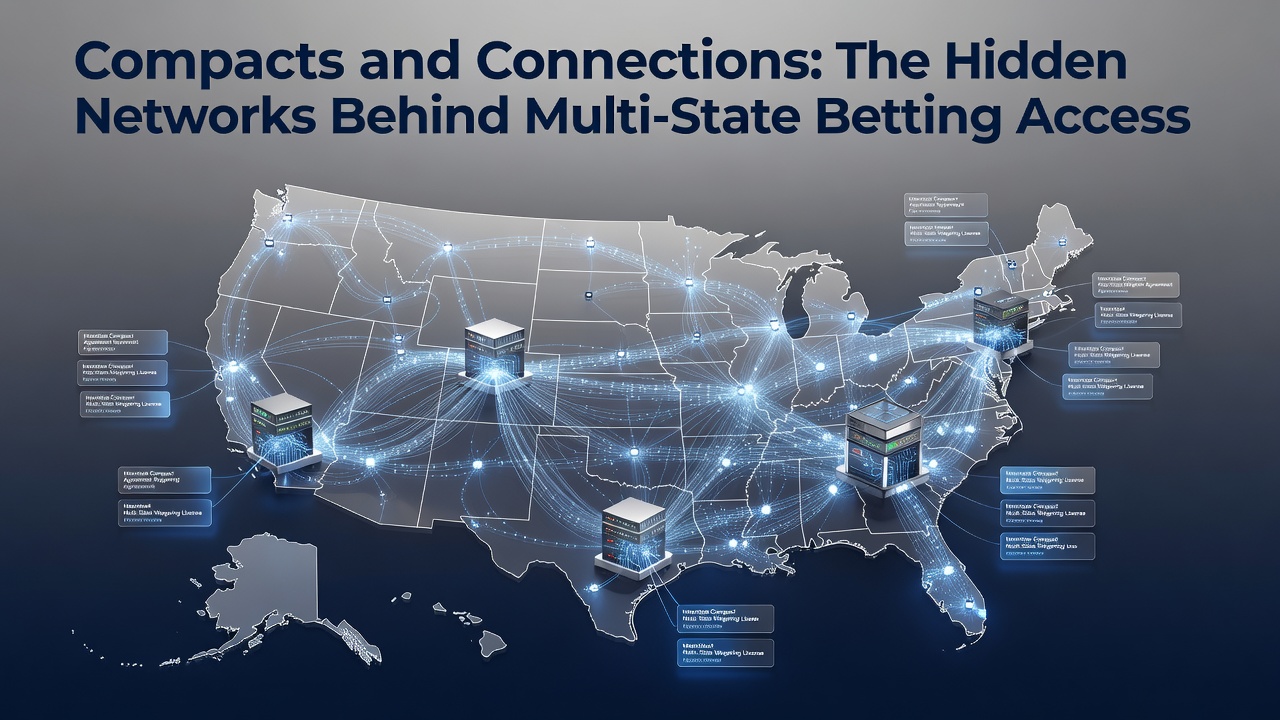
States across the country have pursued individual paths to legal sports betting since the 2018 Supreme Court ruling struck down the federal ban, yet the push for multi-state access has created layers of agreements and technical links that operate beneath the surface. These arrangements allow operators to pool player liquidity or share regulatory oversight without running afoul of the Wire Act or state-specific rules, and the networks formed through compacts have grown more intricate by June 2026.
Interstate Agreements Take Shape
Early efforts centered on poker and daily fantasy sports, but sportsbooks soon followed with formal compacts that let bettors from one state access platforms licensed in another. New Jersey and Delaware signed one of the first such pacts in 2019, and subsequent deals emerged between Pennsylvania, Michigan, and West Virginia, each adding provisions for shared servers and synchronized age-verification systems. Observers note that these documents function less like traditional treaties and more like operational frameworks that specify data-sharing protocols and tax allocation formulas.
By early 2026 several additional states had joined existing compacts or launched new ones, driven by the need to compete with offshore sites that ignore state borders entirely. The structures require participating regulators to maintain compatible licensing standards while preserving each state's authority over its residents, a balance that demands constant coordination among gaming control boards.
Technical Infrastructure Powers the Links
Behind every compact sits a web of software providers, geofencing services, and payment processors that route transactions only when users sit inside approved jurisdictions. These systems rely on real-time location checks that ping multiple databases simultaneously, and the architecture has evolved to handle increasing volumes without latency spikes during major sporting events. Research from industry analysts shows that the same middleware companies often service multiple compacts, creating indirect connections across seemingly separate state markets.
Payment rails add another dimension, since banks and digital wallets must comply with varying state rules on fund segregation and reporting. Some operators route deposits through intermediaries licensed in compact member states, which reduces friction for users while satisfying each regulator's audit requirements. Data from transaction monitoring firms indicates that these layered pathways now handle a measurable share of total handle in compact-participating markets.

Regulatory Oversight and Compliance Demands
State regulators meet regularly through working groups organized by the National Association of Attorneys General and similar bodies to align enforcement practices. These sessions address everything from responsible gambling tools to suspicious betting pattern detection, and the resulting standards often migrate into new compact language. Compliance teams at major operators maintain dedicated staff who track rule changes across all member jurisdictions, because a single violation can jeopardize access for every user in the network.
Independent testing labs play a quiet but essential role by certifying that geolocation and age-verification modules meet the strictest requirements among compact states. When one member updates its technical specifications, labs must revalidate the entire system, which creates predictable delays but also raises the baseline for security across the board. Figures from the labs themselves reveal that re-certification cycles have shortened as processes become more standardized.
Impact on Operators and Bettors
Operators gain larger player pools that improve odds competitiveness and reduce variance on popular markets, while bettors encounter fewer restrictions when traveling between compact states. Account balances and betting histories travel with users, provided the destination state belongs to the same agreement. Several platforms have reported measurable increases in active accounts following compact expansions, according to aggregated data released by the American Gaming Association.
Yet the arrangement also concentrates market power among companies large enough to navigate the legal and technical overhead. Smaller or regional operators sometimes partner with established networks rather than build their own infrastructure, which further centralizes the hidden connections that make multi-state access possible. This dynamic mirrors patterns seen in other regulated industries where scale determines participation in cross-border frameworks.
Looking Ahead
Additional states continue to evaluate compact membership as a way to capture revenue without building full regulatory systems from scratch. Discussions in June 2026 focused on potential inclusion of tribal gaming authorities, which could expand the geographic reach of existing agreements while introducing new sovereignty considerations. Any such expansion would require updates to data-sharing agreements and possibly new federal legislation to clarify tax treatment of pooled liquidity.
The networks remain largely invisible to everyday bettors, yet they underpin the convenience of accessing legal markets from multiple locations. As more jurisdictions join or form parallel structures, the underlying architecture will likely grow more interconnected, with each new link reinforcing the overall stability of the multi-state model.
Conclusion
Compacts and the technical systems that support them have transformed isolated state markets into a coordinated patchwork that delivers broader access while respecting local control. The evolution continues as regulators, operators, and technology providers refine the connections that keep everything running smoothly across state lines.