11 Jul 2026
Data Analytics Fueling Customized Bonus Designs in America's State-Regulated Betting Scene
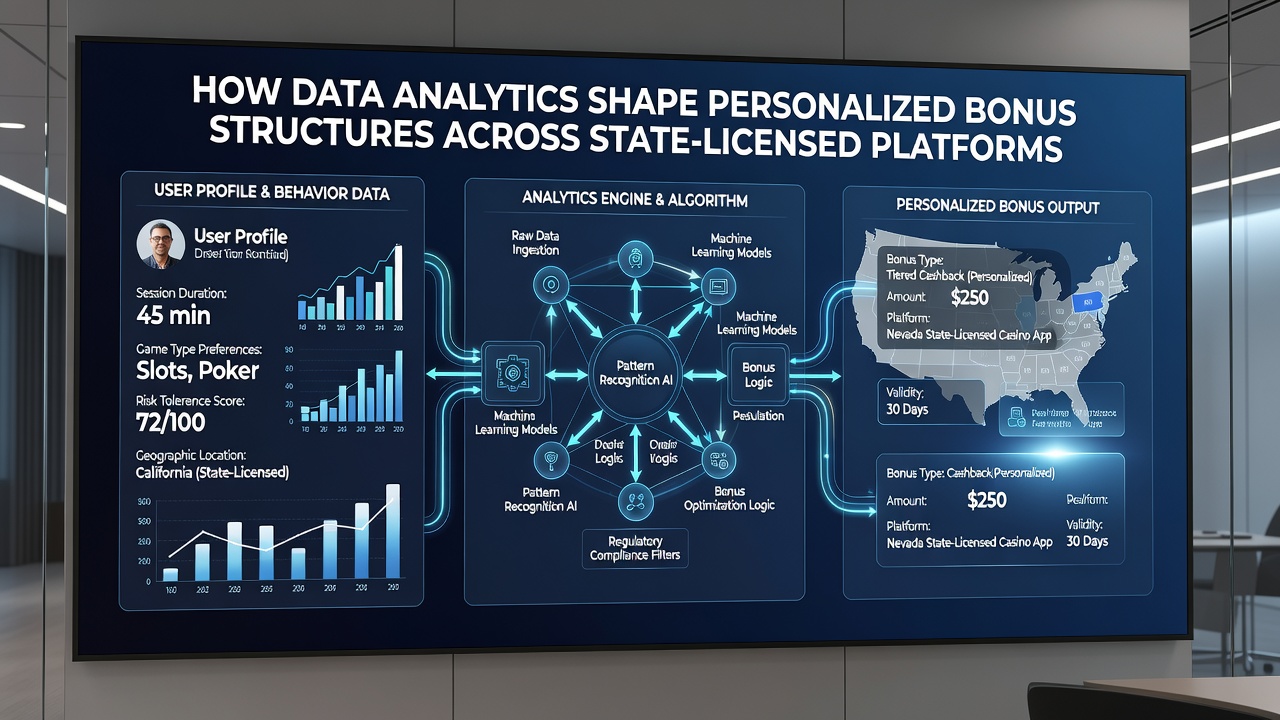
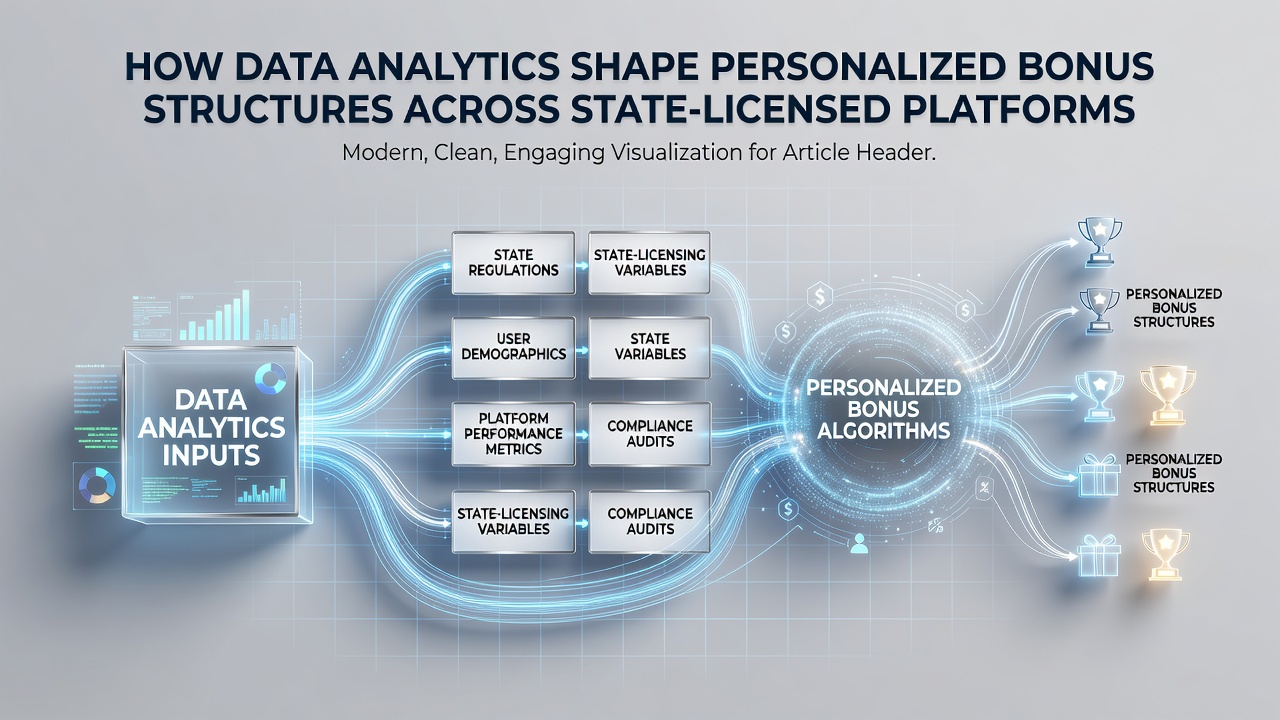 State-licensed betting platforms across the United States rely on sophisticated data analytics to create bonus structures that align with individual player behaviors and preferences. These systems process vast amounts of information from user interactions, deposit histories, and wagering patterns to generate offers that differ from one account to the next. Operators track metrics such as session duration, preferred bet types, and response rates to past promotions, which allows them to adjust incentives in real time. Platforms collect data through multiple channels including mobile app usage, website navigation, and transaction records. Analysts then apply machine learning models to segment users into groups based on risk tolerance, frequency of play, and average stake size. This segmentation enables the delivery of targeted bonuses such as deposit matches scaled to recent activity levels or free bets tied to specific sports or game categories. According to research from the University of Nevada Reno's gaming studies program, these models improve retention rates by aligning offers with demonstrated player interests rather than applying uniform promotions.
Core Mechanisms Behind Personalization
Algorithms examine historical data to predict which bonus types will encourage continued engagement without exceeding responsible gaming thresholds. For instance, a player who frequently places small wagers on live events might receive cashback percentages that activate after a set number of in-play bets, while another user focused on futures markets could see offers that reduce the hold on long-term wagers. These adjustments happen through automated rules engines that update daily based on incoming data streams.
State regulations require operators to maintain audit trails for all bonus calculations, which means analytics teams document the data inputs and decision trees used for each personalized offer. In July 2026 several states expanded reporting requirements around bonus targeting, prompting platforms to refine their models for greater transparency. This shift has led to increased use of explainable AI techniques that allow regulators to review how specific variables influence bonus eligibility.
Regional Variations in Implementation
Different states impose unique constraints on data usage and bonus structures, which forces platforms to adapt their analytics frameworks accordingly. In markets like New Jersey and Pennsylvania, operators integrate player data with state-mandated self-exclusion lists to prevent offers from reaching restricted accounts. Canadian provincial regulators, including those in Ontario, have introduced similar data-sharing protocols that influence how cross-border operators design loyalty incentives for US users.
Take one major sportsbook that noticed users in certain demographic brackets responded better to reload bonuses than to sign-up credits. The platform adjusted its models to prioritize reload offers for those segments while routing new players toward welcome packages based on acquisition source data. Observers note that such refinements often stem from A/B testing conducted across millions of user sessions each month.
Impact on Player Engagement and Platform Operations
Personalized bonuses tied to analytics have produced measurable shifts in deposit patterns and session lengths across state-licensed sites. Data from the American Gaming Association indicates that targeted promotions correlate with higher average revenue per user in mature markets, particularly when offers incorporate real-time adjustments based on live betting activity. Platforms achieve this by linking bonus triggers to external data feeds such as game schedules and odds movements.
Yet operators must balance these gains against compliance costs, since every personalized element requires verification against state rules on fair play and advertising accuracy. Research published through the Canadian Gaming Association highlights how integrated data platforms help firms meet these standards while still delivering differentiated experiences. Analysts continue to explore ways to incorporate additional variables like device type and time-of-day preferences into future bonus iterations.
Future Directions for Analytics-Driven Bonuses
Emerging technologies such as predictive modeling and enhanced data visualization tools are expanding the scope of what platforms can offer. Teams now experiment with dynamic bonus structures that evolve throughout a user's lifecycle, moving from acquisition-focused incentives to retention and reactivation campaigns. These developments depend on secure data pipelines that aggregate information across multiple state jurisdictions without violating privacy statutes.
Industry reports suggest continued investment in these capabilities through 2026 and beyond, driven by competition among licensed operators seeking to differentiate their offerings. The result appears in more granular bonus catalogs that reflect nuanced player profiles rather than broad categories.
Conclusion
Data analytics now underpin nearly every aspect of bonus design on state-licensed platforms, transforming generic promotions into individualized incentives grounded in behavioral evidence. As regulatory frameworks evolve and data sources multiply, these systems will likely grow more precise while maintaining compliance with regional requirements. The ongoing integration of advanced modeling techniques ensures that bonus structures remain responsive to both player activity and oversight demands across the United States and comparable markets.