29 Jun 2026
Diverse Transaction Pathways Reshape Participation Patterns Across Regulated American Wagering Platforms
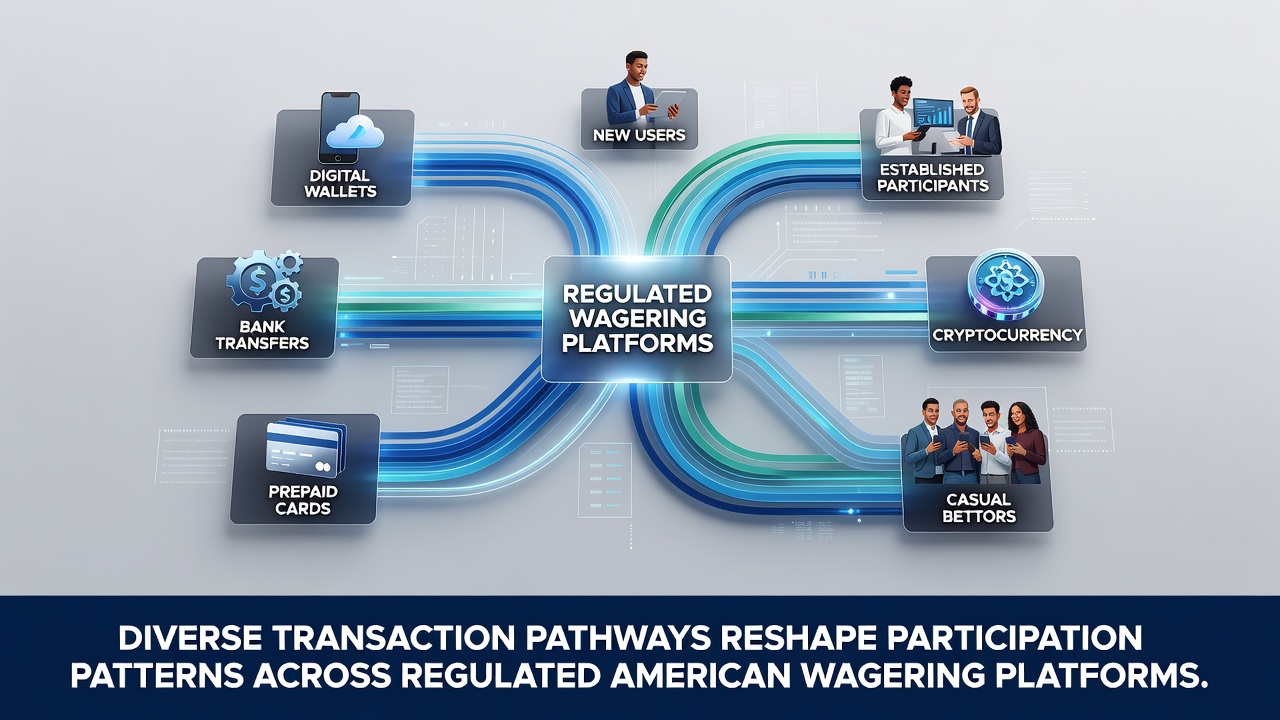
Payment methods in regulated US wagering have expanded rapidly since the first states legalized sports betting in 2018, and data from June 2026 shows that operators now support an average of nine distinct deposit and withdrawal options per platform compared with just four in early 2022. This growth in transaction pathways coincides with measurable changes in user demographics, deposit frequency, and session lengths across state-licensed sportsbooks and casinos.
Payment Options Multiply as State Regulations Evolve
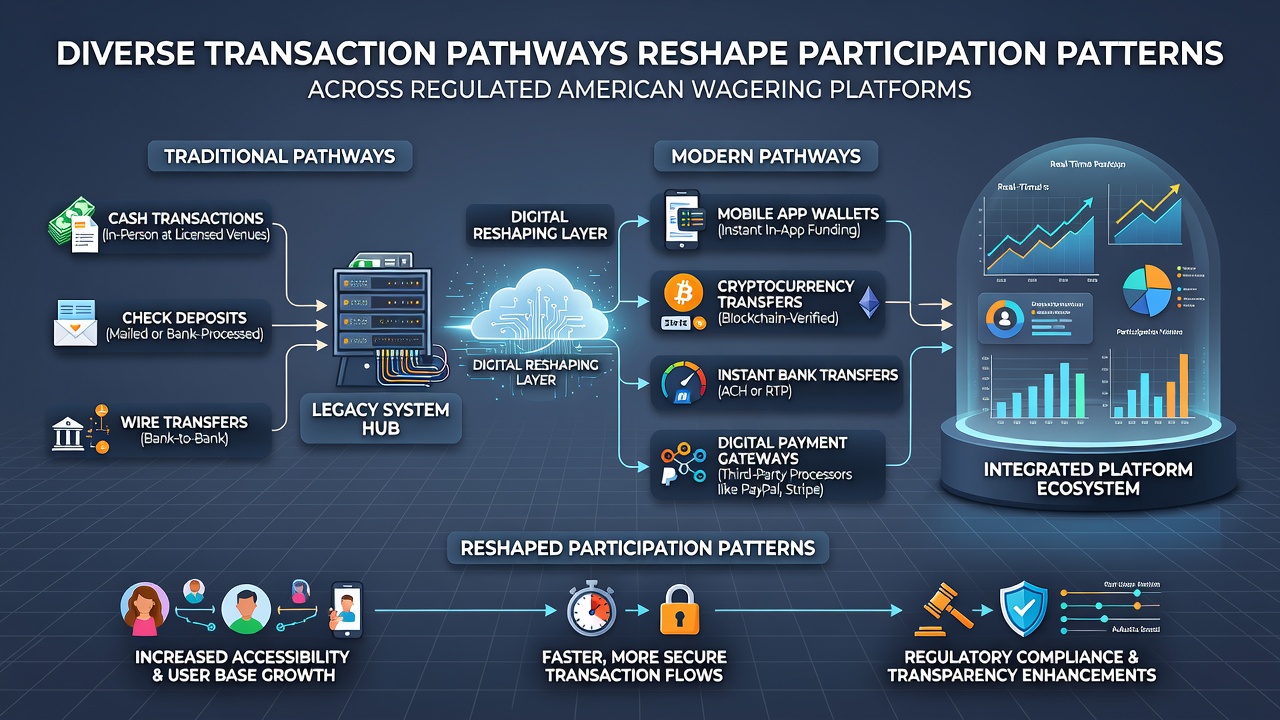
States that launched regulated markets early, such as New Jersey and Pennsylvania, required operators to integrate traditional banking rails alongside newer fintech solutions, while later-adopting states like Ohio and North Carolina incorporated those same tools from day one. The result appears in industry filings where ACH transfers now account for 34 percent of all deposits in New Jersey during the first half of 2026, up from 19 percent two years earlier. Digital wallet volumes grew in parallel, yet the largest relative increase occurred in instant bank verification services that bypass card networks entirely.
Operators report that once a platform adds a low-friction option like instant ACH, average monthly active users rise between 12 and 18 percent within ninety days, according to aggregated data shared by the American Gaming Association. The same datasets indicate that users who adopt multiple pathways within a single account maintain balances 27 percent higher than single-method users over a six-month window.
Demographic Shifts Follow Payment Diversification
Participation patterns among younger adults have changed most noticeably. In states where instant bank transfers became standard by mid-2025, the share of bettors aged 21-34 increased from 41 percent to 49 percent of total handle by June 2026. Observers note that this cohort tends to rotate among three or more transaction methods per month, citing speed and lower per-transaction fees as primary reasons. Older cohorts continue to favor established credit and debit options, yet their deposit frequency has also risen modestly as platforms added scheduled recurring transfers.
Geographic differences persist. Markets with strict credit card restrictions, such as Illinois, show faster uptake of alternative pathways than states that still permit card deposits without limits. One study from the University of Nevada, Las Vegas tracked account-level data across three states and found that users in restricted-card environments initiated 2.3 times more ACH transactions per active month than users in unrestricted markets.
Transaction Speed Influences Betting Behavior
Withdrawal times have shortened across nearly every regulated platform. Where wire transfers once required two to five business days, many operators now process same-day payouts through faster rails. Research published by the National Center for Responsible Gaming in early 2026 linked quicker cashouts to a 9 percent reduction in average bet size per session, suggesting users feel less pressure to chase losses when funds return faster. At the same time, deposit frequency rose, producing a net neutral effect on total handle per user.
Operators have responded by surfacing real-time balance updates and transaction receipts inside mobile apps, which further reduces friction. In June 2026, 61 percent of all regulated wagering sessions began within ten minutes of a completed deposit, compared with 44 percent in the same month three years earlier.
Regulatory Oversight Adapts to New Pathways
State gaming commissions continue to refine rules around transaction monitoring. The Nevada Gaming Control Board updated its technical standards in March 2026 to require enhanced verification for any pathway that moves funds in under fifteen seconds. Similar updates appeared in Michigan and Virginia, where regulators now mandate that operators flag accounts showing rapid cycling between deposit methods. These measures aim to maintain compliance without eliminating the convenience that drives broader participation.
Industry groups have published best-practice guides that recommend clear labeling of fees, processing times, and responsible-gaming tools at the point of transaction selection. Early adoption data from states following these guidelines shows no statistically significant increase in problem-gambling indicators tied specifically to payment-method variety.
Future Trajectory Through Late 2026
With more states expected to launch or expand regulated offerings before the end of 2026, the number of available transaction pathways will likely continue climbing. Current projections from state revenue reports anticipate that non-card methods will represent over half of all deposits nationwide by December. That shift is already reshaping how platforms design onboarding flows, loyalty programs, and responsible-gaming interventions.
Conclusion
Payment diversification has produced measurable changes in who participates, how often they transact, and how long they remain engaged on regulated American wagering platforms. Data collected through June 2026 demonstrates that operators offering multiple low-friction options attract a wider age range and sustain higher account activity levels. Regulatory frameworks have kept pace by updating verification standards, while ongoing research continues to track behavioral outcomes across different transaction pathways.