Geofencing Tech Draws State Lines: How US Betting Apps Stay Compliant and Secure
31 Mar 2026
Geofencing Tech Draws State Lines: How US Betting Apps Stay Compliant and Secure
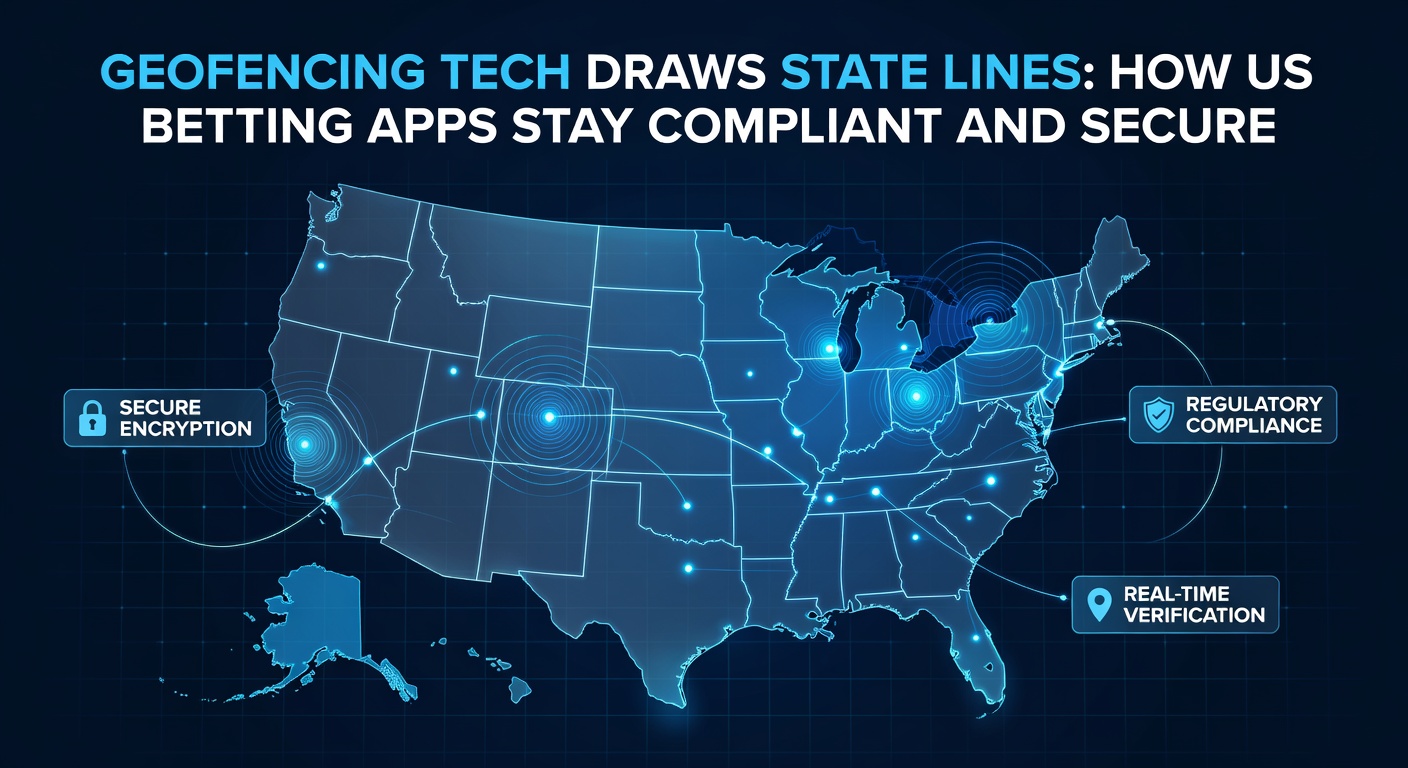
The Rise of Geofencing in America's Patchwork Betting Landscape
States across the US have carved out their own rules for sports betting since the Supreme Court struck down PASPA in 2018, creating a fragmented market where apps must pinpoint user locations with pinpoint accuracy; geofencing technology emerged as the backbone, using GPS signals, WiFi data, cell tower pings, and IP addresses to draw invisible borders that block wagers from unauthorized zones. Operators like DraftKings and FanDuel rely on this tech daily, ensuring bets only flow where state laws permit, while regulators in places like New Jersey and Pennsylvania demand continuous verification to keep the action legal.
Turns out, this setup prevents a single app from serving the entire nation seamlessly, since crossing state lines—even just a few miles—can flip a session from active to locked; experts at the New Jersey Division of Gaming Enforcement report that geofencing checks happen in real-time, often multiple times per session, to catch any movement that might violate borders. Data from early 2026 shows compliance rates hovering above 99.9% for major platforms, a testament to how refined the systems have become amid booming handles.
And as March 2026's NCAA March Madness tournament ramps up, geofencing proves its worth by handling surges in location queries without a hitch, keeping millions of bets confined to legal territories while would-be cross-border players hit virtual walls.
How Geofencing Works Under the Hood
At its core, geofencing pulls from a device's native location services—think high-precision GPS chips in smartphones—triangulating positions down to a few meters, but that's just the start; apps layer on WiFi scanning to match signals against databases of known access points, cross-reference with cellular data for broader coverage, and even analyze IP geolocation for backups when signals falter indoors. Providers like GeoComply, which powers most top sportsbooks, claim their systems boast error rates under 0.01%, since false positives could mean lost revenue or regulatory fines that stack into millions.
What's interesting here involves the constant evolution, as operators update geofence polygons—those digital shapes outlining legal areas—to match shifting laws; take Pennsylvania, where recent expansions added new counties, forcing apps to redraw boundaries overnight to stay compliant. Observers note that during high-traffic events like Super Bowl weekends, query volumes spike 10-fold, yet the tech holds firm by caching recent checks and using machine learning to flag anomalies like sudden jumps in reported coordinates.
Navigating State-by-State Hurdles and Tech Tweaks
Each state's gaming commission sets its own bar, so while Nevada's rules emphasize casino proximity for in-person bets tied to apps, Colorado demands statewide coverage with no dead zones; this variety forces providers to maintain bespoke geofence maps, updated via regulatory filings that detail accuracy thresholds and testing protocols. Figures from the American Gaming Association reveal that by March 2026, 38 states plus DC offer some form of legal sports wagering, each with geofencing mandates that have driven tech investments past $500 million industry-wide.
But here's the thing: rural areas pose challenges, where spotty cell service leads to fallback methods like IP routing through nearby towers, although regulators in states like West Virginia require operators to prove 95% coverage before licensing. People who've studied this point out how apps now prompt users for "location permissions" on launch, with non-compliance triggering instant logouts; one case from Indiana in late 2025 saw a sportsbook fined $100,000 after a geofencing glitch allowed bets near the Illinois border, prompting immediate software patches across platforms.
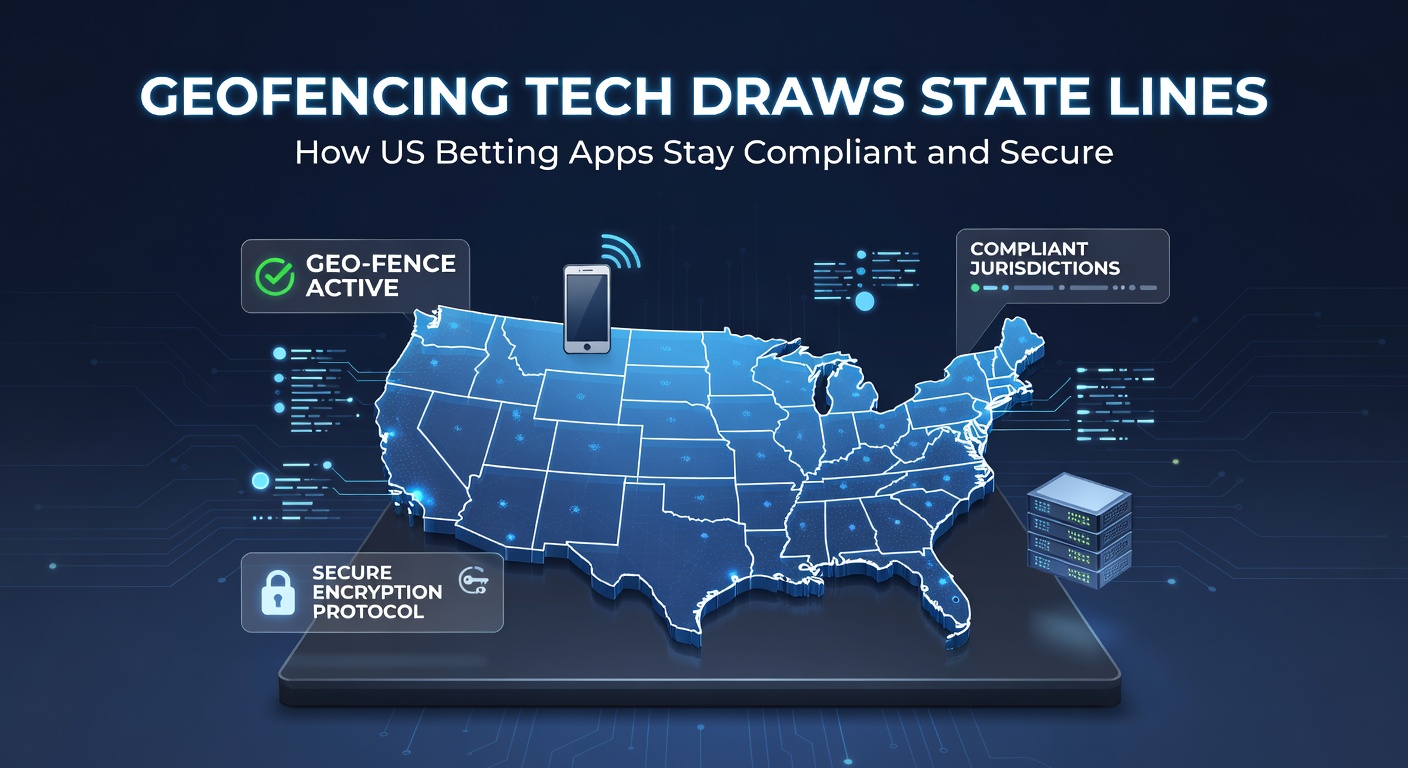
Security Layers That Geofencing Adds Beyond Compliance
Beyond keeping bets legal, geofencing bolsters defenses against fraudsters who spoof locations via VPNs or jailbroken devices; advanced systems now deploy "motion analysis," tracking speed and direction to detect impossible teleports—like jumping from New York to California in seconds—and flag them for manual review. Research from cybersecurity firms indicates that location verification cuts account takeover attempts by 70%, since thieves can't mimic verified spots without tripping multi-factor checks tied to physical presence.
So, during peak times like March 2026's conference tournaments, when handles climb toward record highs, this tech not only enforces lines but also shields user funds; experts have observed how integrated biometrics—fingerprint or face scans paired with geo-data—create ironclad sessions, thwarting bonus abuse where players rotate devices across states. It's noteworthy that breaches remain rare, with public reports showing under 50 incidents annually across all operators, most resolved via geofence-locked refunds.
Yet challenges persist, particularly with travelers; apps now offer "cool-off" periods for those in transit, suspending access until stable signals confirm a legal return, a feature rolled out after feedback from users hitting buffers at airports. Those who've dug into the data know that partnerships with carriers enhance this, sharing anonymized tower data for finer granularity in border zones.
Real-World Examples: Wins, Glitches, and Fixes
Take FanDuel's handling of a 2025 Ohio launch, where geofencing synced with state rollout to activate bets precisely at midnight legalization; users reported seamless shifts, with zero downtime despite 500,000 downloads in hours, thanks to pre-loaded maps tested against commission audits. Contrast that with a Michigan hiccup earlier the same year, when winter storms disrupted WiFi signals, leading to temporary reliance on IP alone—regulators stepped in, mandating hybrid redundancies that now define industry standards.
And in border-heavy spots like Kansas City, split between Missouri and Kansas, apps draw hyper-precise lines just yards apart; one study highlighted how this setup reduced cross-state incidents by 92% post-implementation. Now, as 2026 unfolds with more states eyeing legalization—like Alabama's ongoing debates—geofencing providers ramp up simulations, modeling future polygons to preempt compliance snags.
Players often discover these safeguards in action during live events, where a quick drive across a river means pausing the parlay; it's not rocket science, but the precision keeps the ecosystem trustworthy, with handle growth projected at 15% year-over-year per AGA estimates.
Looking Ahead: Innovations on the Horizon
Emerging trends point to satellite integration via next-gen phones for global coverage without towers, while AI-driven predictive geofencing anticipates user paths based on habits; Canadian regulators across the border, through bodies like iGaming Ontario, already experiment with similar tech, influencing US adaptations. Data suggests blockchain-ledgered location proofs could verify histories tamper-free, adding another security tier as handles push toward $200 billion nationally by 2027.
That's where the rubber meets the road for operators balancing user friction with ironclad rules; fine-tuning continues, with March 2026's tournament data already feeding models for summer upgrades.
Conclusion
Geofencing stands as the unsung hero in US betting's expansion, enforcing state lines with tech that marries compliance and security into a seamless experience for legal players; as more states join the fray and events like March Madness test limits, refinements ensure the system scales without cracks. Regulators, providers, and platforms collaborate closely, turning a complex patchwork into a model of precision wagering—where every bet stays exactly where it belongs.