25 Jul 2026
Ledger Lines Across State Lines: How Transaction Pathways Navigate America's Fragmented Gambling Framework
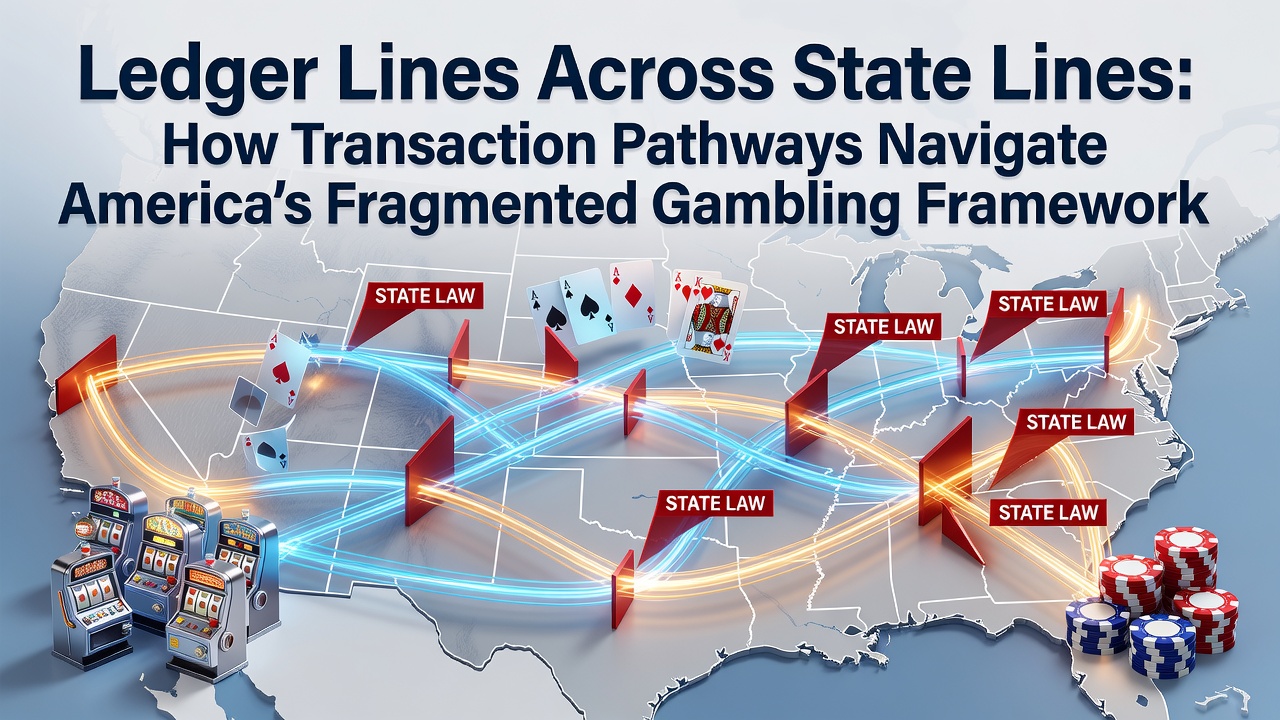
State laws on gambling continue to diverge sharply across the United States, which forces payment processors and financial institutions to map out precise routes for moving funds without triggering violations. In July 2026 observers note that operators still rely on layered banking relationships, digital ledgers, and regional intermediaries to keep transactions compliant while states maintain separate licensing rules and tax structures.
State-by-State Rules Shape Every Transfer
Legal sports betting operates in roughly three dozen states by mid-2026, yet each jurisdiction imposes distinct requirements on how deposits and withdrawals reach players. Some states demand that all funds clear through local banks licensed within their borders, while others permit national processors that route money through holding accounts in permissive regions. Those who track these patterns report that operators often segment player accounts by originating state so that the same ledger entry never crosses into a prohibited zone without additional compliance checks.
Data from industry reports show that average daily transaction volumes in legal markets reached several hundred million dollars during the first half of 2026, with spikes tied to major sports events. Processors therefore maintain redundant pathways that can reroute funds within minutes if a state regulator issues updated guidance on acceptable payment types. This setup avoids the older pattern of blanket blocks that once affected entire platforms when a single state changed its stance.
Digital Ledgers and Regional Intermediaries
Many operators now use private ledger systems that record every movement of player funds before the money actually leaves a bank account. These internal records allow quick reconciliation across state lines without exposing the transaction to every intermediary bank along the route. When a player in one state requests a withdrawal, the ledger entry travels to a processor located in a second state that maintains direct relationships with banks approved in the first jurisdiction.
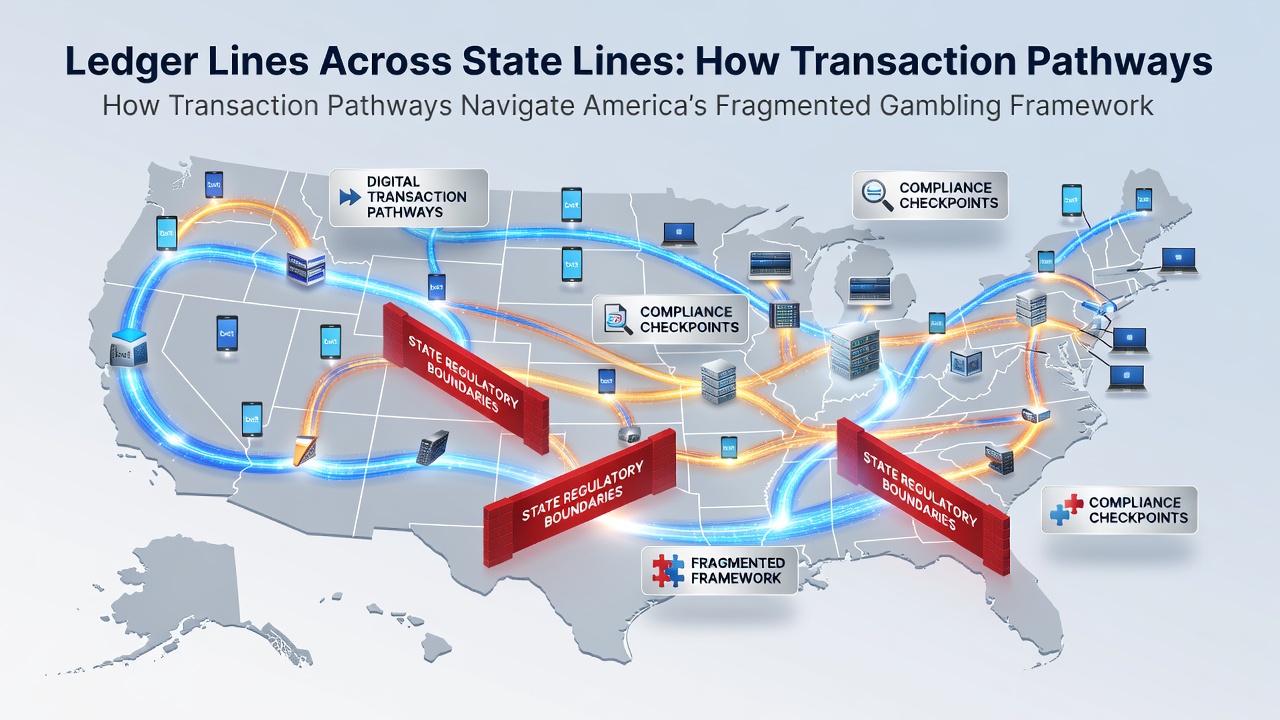
Experts at organizations such as the American Gaming Association have documented how these layered arrangements reduce declined transactions by more than thirty percent compared with earlier methods that relied on single national processors. In states where direct bank involvement remains restricted, operators turn to regional credit unions or specialized payment companies that hold dual licenses and can clear funds through multiple regulatory frameworks simultaneously.
Challenges With Cross-Border Player Activity
Players who travel frequently create additional complexity because their account location must remain tied to their legal state of residence even while they place bets from another jurisdiction. Systems therefore flag any attempt to fund an account from an IP address that does not match the registered state, which triggers manual review or temporary holds. Research conducted by university centers focused on gaming policy indicates that these verification steps add an average of forty-eight hours to first-time deposits in states with the strictest residency rules.
Operators address the issue by maintaining separate transaction queues for each regulated market and by using geofencing technology that locks accounts to approved borders. When disputes arise over a transaction that appears to originate outside the permitted area, compliance teams review both the ledger trail and supporting bank records before releasing funds or reversing the entry.
Emerging Methods and Regulatory Responses
By July 2026 several states had begun testing pilot programs that allow approved fintech firms to act as clearinghouses for gambling-related transfers. These firms operate under joint oversight from banking regulators and gaming commissions, which permits faster settlement while preserving audit trails. Figures released by state gaming agencies reveal that approved clearinghouse volume grew by eighteen percent in the second quarter alone.
Meanwhile, processors continue to explore blockchain-based settlement layers that keep player balances in encrypted ledgers until a withdrawal request arrives. The final fiat transfer still routes through traditional banks in compliant states, yet the underlying record remains immutable and visible to regulators on request. Those monitoring the space note that such hybrid models satisfy both speed demands from players and transparency requirements from oversight bodies.
Conclusion
America's patchwork of gambling regulations requires constant adjustment of transaction pathways, and operators respond with layered ledgers, regional intermediaries, and state-specific verification tools. Data through July 2026 demonstrate that these methods sustain billions in annual handle while respecting each jurisdiction's distinct boundaries. As additional states consider legalization or further restrictions, the same infrastructure will determine how quickly and securely funds continue to move across state lines.