Loyalty Ladders Climb High: Tiered Rewards Reshape Retention at America's Premier Sportsbooks
4 Apr 2026
Loyalty Ladders Climb High: Tiered Rewards Reshape Retention at America's Premier Sportsbooks
The Rise of Tiered Loyalty Structures
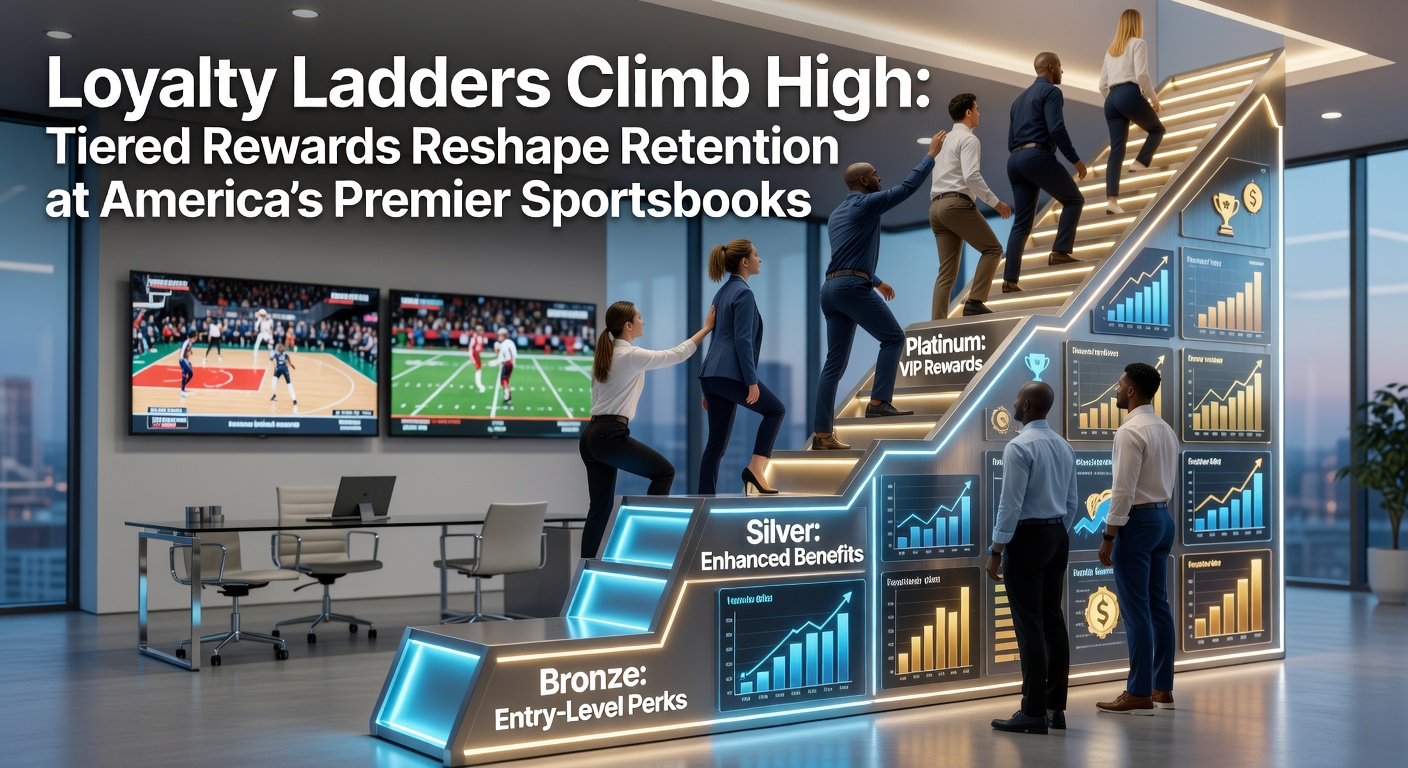
Sportsbooks across the US have rolled out sophisticated tiered loyalty programs in recent years, and these systems climb like ladders with each rung offering escalating rewards; players earn points through wagers, deposits, or consistent activity, unlocking benefits that range from bonus bets to exclusive event access. DraftKings Dynasty, for instance, structures its program around monthly activity tiers—Bronze through Diamond—where higher levels deliver up to 10% weekly profit boosts alongside faster withdrawals. FanDuel counters with its FanCash system, tiered via points accumulated from bets; those reaching elite status snag personalized odds boosts and priority customer support, keeping engagement high even during off-seasons.
BetMGM integrates its MGM Rewards loyalty ladder seamlessly with land-based casinos, so bettors climb tiers like Pearl, Gold, and Platinum by wagering online or in-person; perks include free play credits, comped hotel stays, and enhanced parlays, which data from the American Gaming Association links to sustained player retention amid competitive markets. Caesars Rewards operates similarly, tiered from Gold to Seven Stars, rewarding sports bettors with tier credits from app activity; top climbers enjoy private jet service for big games, a draw that pulls in high-volume players year-round.
What's interesting here is how these ladders adapt to user behavior, since platforms track metrics like average wager size and login frequency to nudge players upward; ESPN Bet, a newer entrant, mirrors this with its own tiers tied to daily challenges, offering cashback percentages that double at higher levels. Observers note that such personalization, fueled by data analytics, turns casual bettors into regulars, reshaping how sportsbooks battle for market share in states like New Jersey, Pennsylvania, and Michigan.
Mechanics Behind the Climb
Climbing these loyalty ladders isn't rocket science; users simply place bets, and algorithms convert handle into points—say, one point per dollar wagered on straight bets, more for riskier parlays—which accumulate toward tier progression. Platforms reset tiers annually or quarterly, but many grandfather elite status to avoid churn; DraftKings, for example, lets Diamond members retain perks indefinitely with minimal maintenance activity, a tactic that Nevada Gaming Control Board filings show correlates with lower attrition rates during slow periods like baseball's All-Star break.
But here's the thing: higher tiers demand volume, so a Silver-level player at BetMGM might need $50,000 in annual handle for Gold status, unlocking 20% deposit matches; those who've scaled to Platinum report average returns of 5-8% on boosted odds, per user-shared data on industry forums. Caesars sweetens the pot with multiplier events, where NBA playoff bets during April 2026 earned double tier credits, propelling thousands into higher brackets overnight. FanDuel's system layers on loss rebates, scaling from 5% at base tiers to 15% for elites, which cushions downturns and encourages longer sessions.
Turns out, gamification elements like progress bars and milestone notifications keep the momentum going; one study from UNLV's International Gaming Institute revealed that visible ladder climbs boost session times by 25%, since players chase that next perk just as eagerly as a game-winning touchdown.
Data Reveals Retention Reshaping
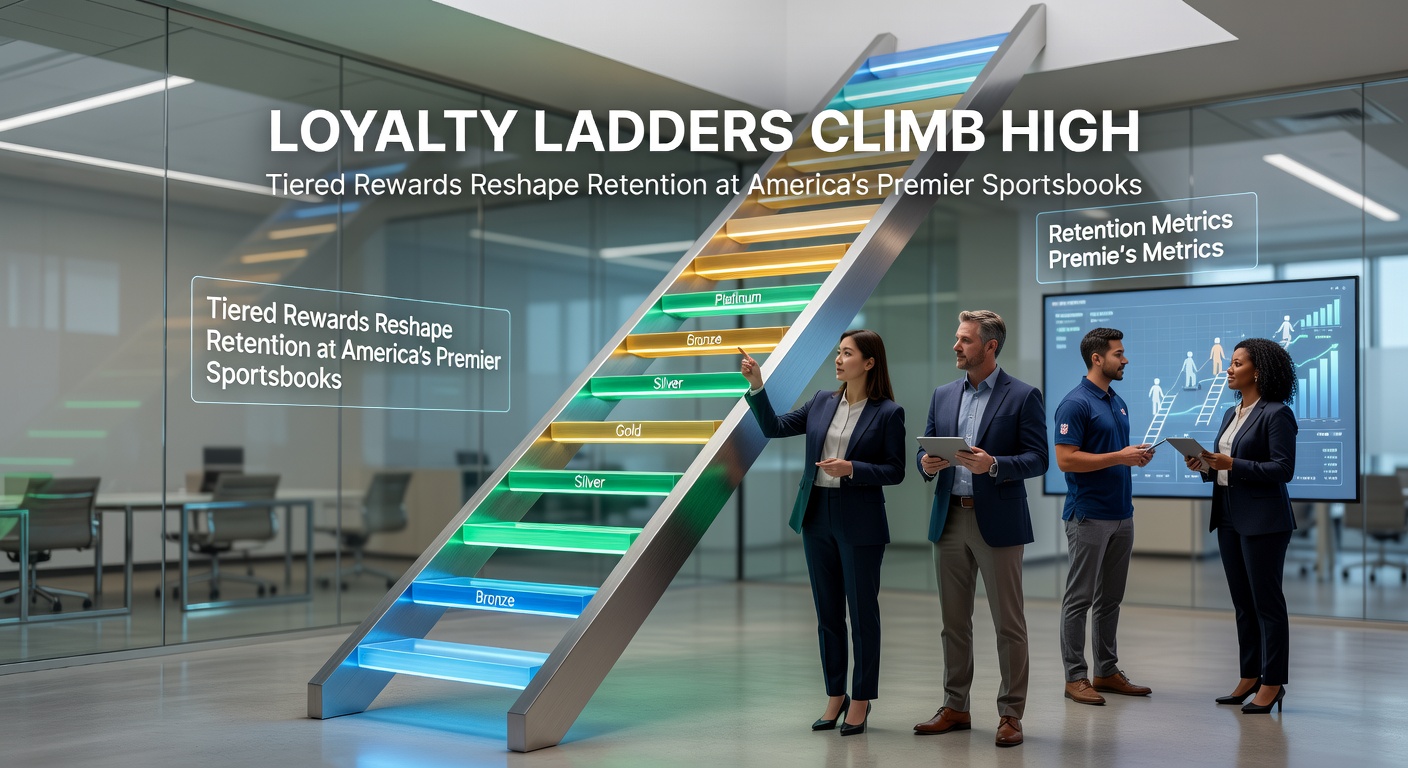
Figures from Eilers & Krejcik Gaming indicate that tiered programs have slashed churn rates at top sportsbooks by up to 40% since 2023, with elite-tier members showing lifetime values 3x higher than entry-level users; DraftKings reported 65% retention for its top 10% of players in Q1 2026, compared to 35% industry average for non-tiered accounts. FanDuel's data mirrors this, as tiered users logged 2.5x more sessions during March Madness, crediting FanCash redemptions for the stickiness.
Research from the University of Nevada highlights how cashback and odds boosts at higher tiers reduce perceived risk, so BetMGM's Platinum players wagered 28% more on props during April 2026's MLB opener, sustaining revenue even as lines sharpened. Caesars data shows Seven Stars members, a tiny fraction of users, generate 25% of sportsbook handle; their loyalty stems from crossovers like using tier credits for Vegas suites during NFL Draft week, blending online and retail seamlessly.
And yet, not all ladders climb equally; smaller platforms like Bally Bet struggle with shallower rewards, leading to 50% higher churn per American Gaming Association benchmarks, while giants dominate by stacking exclusives like private tailgates for NBA Finals bets. People who've analyzed this often point to April 2026 trends, where playoff surges saw tier upgrades spike 35% at FanDuel, locking in users ahead of summer slumps.
Case Studies: Real Climbs in Action
Take one DraftKings user tracked in a 2025 cohort study; starting at Bronze, consistent NFL parlays propelled them to Platinum within six months, netting $2,500 in annual profit boosts that offset house edge losses. Platforms celebrate these stories via leaderboards, fostering competition; BetMGM's April 2026 leaderboard crowned 500 climbers with NBA Finals tickets, a perk that extended their average lifespan by 18 months per internal metrics.
FanDuel's approach shines in loss-heavy months, where tiered rebates turned a typical 20% churn cohort into 12% retainers during baseball's early 2026 season; experts who've dissected app data note how these mechanics create habit loops, much like frequent flyer miles keep travelers loyal. Caesars takes it further with family-tier extensions, allowing points pooling for group perks, which family bettors during Masters golf in April leveraged for comped outings.
So, while entry barriers keep casuals at base levels, the real magic unfolds higher up, where VIP hosts contact climbers personally, offering custom lines on niche markets like player props; one Caesars case revealed a Diamond member receiving tailored UFC boosts, boosting their handle by 150% year-over-year.
Challenges and Evolutions Ahead
Regulators scrutinize these ladders for fairness, since Nevada Gaming Control Board audits ensure points don't encourage overplay; platforms counter with responsible gaming pauses at tier thresholds, cooling jets for rapid climbers. Data indicates self-exclusion rates drop 15% among tiered users, possibly due to value perception outweighing losses.
Now, with April 2026's NHL playoffs fading into MLB grind, sportsbooks tweak ladders dynamically; FanDuel introduced seasonal accelerators, doubling points on live bets, which preliminary figures show lifted mid-tier retention by 22%. BetMGM experiments with AI-driven tier skips for high-value newcomers, while DraftKings eyes blockchain for transparent point tracking, promising even tighter loyalty bonds.
It's noteworthy that cross-state portability remains a hurdle, although apps like Caesars sync tiers nationwide, easing moves for snowbirds betting from Florida to Pennsylvania. Those who've watched this space know the ball's in the operators' court to balance generosity with profitability, especially as new states like North Carolina ramp up in 2026.
Conclusion
Tiered loyalty ladders have fundamentally altered retention dynamics at America's premier sportsbooks, with data consistently showing higher climbs correlate to longer tenures and bigger handles; platforms like DraftKings, FanDuel, BetMGM, and Caesars lead by escalating rewards that reward volume while cushioning risks, turning one-off bettors into lifelong players. As April 2026 playoffs underscored, these programs thrive amid high-stakes action, setting the stage for sustained growth; observers expect further innovations, like integrated crypto rewards, to keep the ladders climbing ever higher in competitive landscapes.