18 May 2026
Tracing the Path: Onboarding Experiences at Regulated Betting Platforms
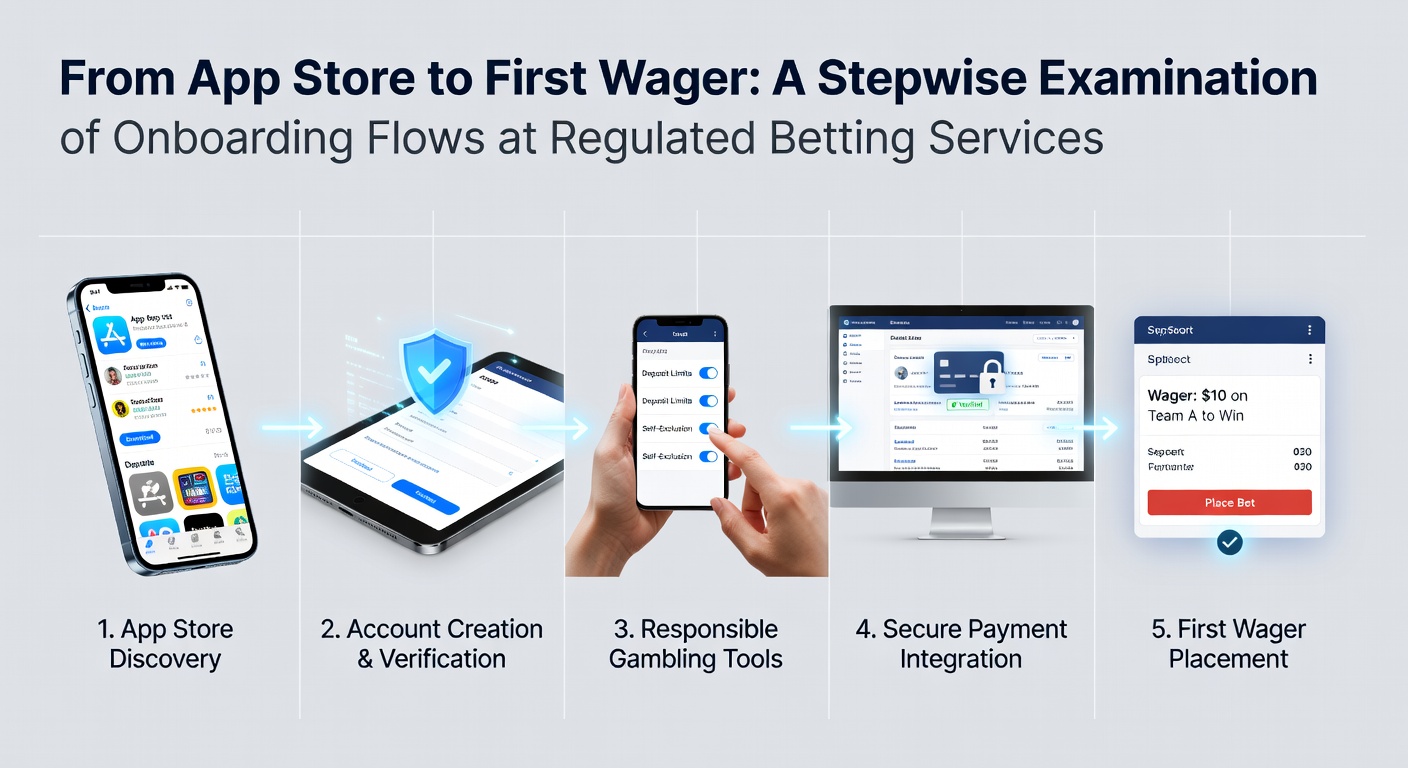
Regulated betting services maintain structured onboarding sequences that guide users from initial app store downloads to their first wager while meeting legal standards across operating jurisdictions, and observers note these flows incorporate multiple checkpoints designed to verify identity, confirm location, and process deposits before any betting activity begins. Data from industry reports indicates the entire process typically spans several minutes to a few hours depending on verification speed and user preparedness with required documents.
Initial Download and Installation Phase
Users begin by searching approved app stores where regulated operators maintain listings that undergo platform-specific reviews for compliance with age restrictions and content guidelines, and this step establishes the foundation for secure access since only authorized applications reach distribution channels in states with active sports wagering laws. Those who've studied user behavior patterns find that installation rates rise when clear instructions appear alongside the download button, while geofencing technology activates immediately upon launch to confirm the device sits within permitted boundaries.
Account Registration Details
After installation the registration screen requests basic information including email address, phone number, and date of birth, and platforms integrate automated checks against public records to flag potential discrepancies before proceeding further. Research indicates many services now incorporate biometric options such as facial scanning during this stage to streamline later identity confirmation steps, yet manual review remains available for cases where automated systems encounter issues.
Identity Verification and Compliance Checks
Identity verification forms the core safeguard in regulated environments, requiring users to upload government-issued identification and sometimes proof of address through secure portals that connect directly with third-party services for rapid validation, and figures reveal average completion times have shortened in recent years due to advancements in document scanning technology. In May 2026 several platforms introduced enhanced options for users in newly expanded markets, allowing quicker approvals when prior verification data exists from other licensed operators within the same corporate group.
Geolocation services run continuously during this phase to enforce state-specific rules, and experts have observed that temporary interruptions in location services can pause the flow until the user resolves the signal issue or switches to an approved Wi-Fi network. Those familiar with these systems know that repeated location failures often trigger manual support intervention to avoid unnecessary account holds.
Funding the Account Before the First Wager
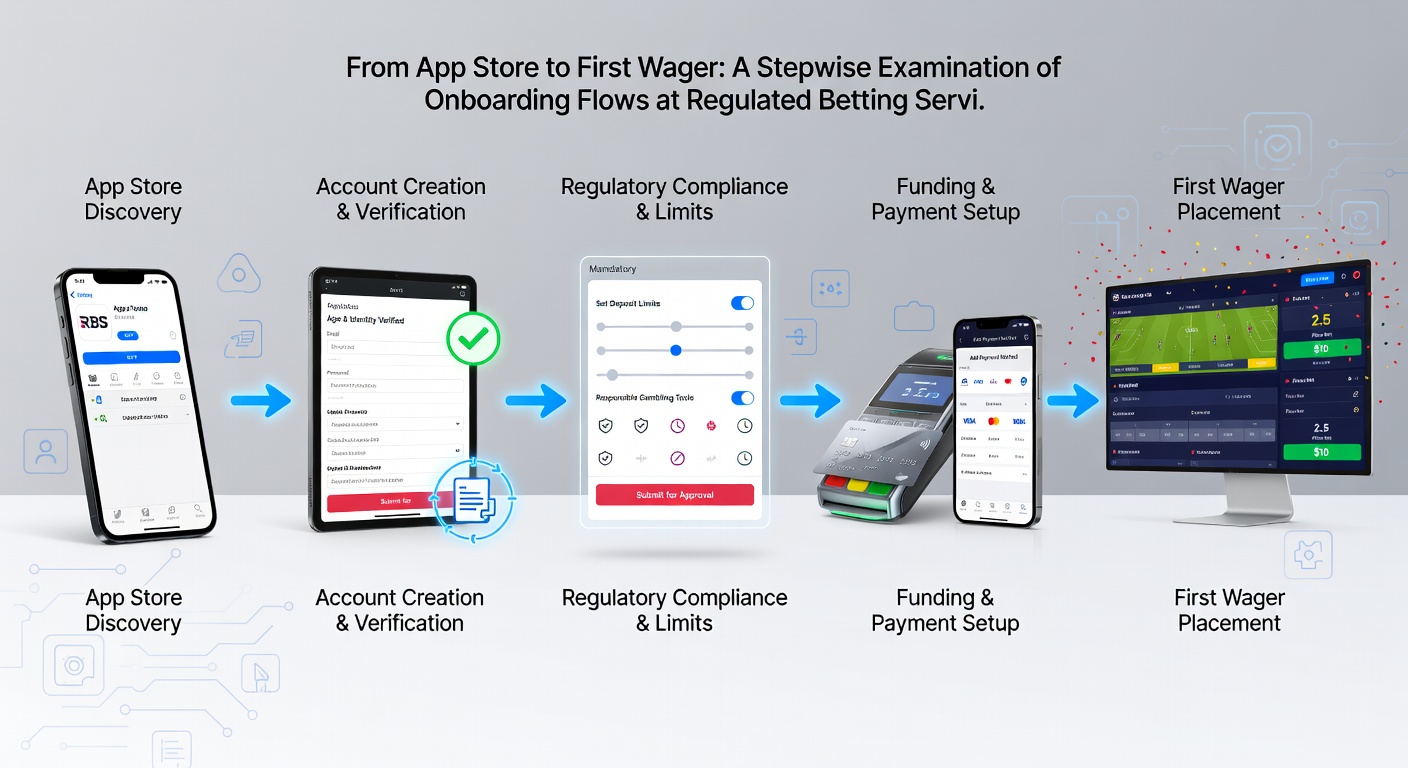
Once verification clears, the deposit interface appears with multiple payment methods ranging from traditional bank transfers to digital wallets, and each option undergoes scrutiny for compliance with anti-money laundering protocols established by state regulators. Data shows that instant deposit methods accelerate the timeline toward the first wager, whereas ACH transfers may require one to three business days before funds become available for betting.
Bonus terms and promotional offers display prominently at this stage, and users must acknowledge playthrough requirements before any credited amounts appear in the balance, according to records maintained by operators. Observers note that transparent display of these conditions helps reduce subsequent support inquiries once wagering commences.
Placing the Initial Wager and System Safeguards
The transition to actual betting occurs only after all prior steps receive confirmation, at which point the platform unlocks the full suite of markets and odds displays, and industry organizations such as the American Gaming Association track how these structured sequences contribute to overall user retention metrics across licensed markets. In May 2026 updates to certain state frameworks allowed operators to test streamlined re-onboarding for returning users, provided their previous verification remained current within defined time windows.
Real-time monitoring continues throughout the first wager process to detect unusual patterns that might indicate account sharing or location circumvention attempts, and such detections can result in temporary holds until the user provides additional clarification. Research from regulatory bodies in varied regions, including data referenced by the Alcohol and Gaming Commission of Ontario, highlights the effectiveness of layered checks in maintaining platform integrity without unduly extending onboarding durations.
Conclusion
The complete journey from app store selection to first wager encompasses sequential stages of download, registration, verification, deposit, and initial placement, each designed to satisfy regulatory demands while delivering functional access to legal betting options. Those who've examined performance metrics across multiple jurisdictions report that platforms balancing thorough checks with efficient interfaces tend to achieve higher completion rates for new accounts. Continued refinements in technology and policy, particularly evident around May 2026, suggest these flows will evolve further to accommodate expanding markets and user expectations.