27 Jul 2026
Transaction Security Determines Access to Offers in Divided Legal Betting Markets
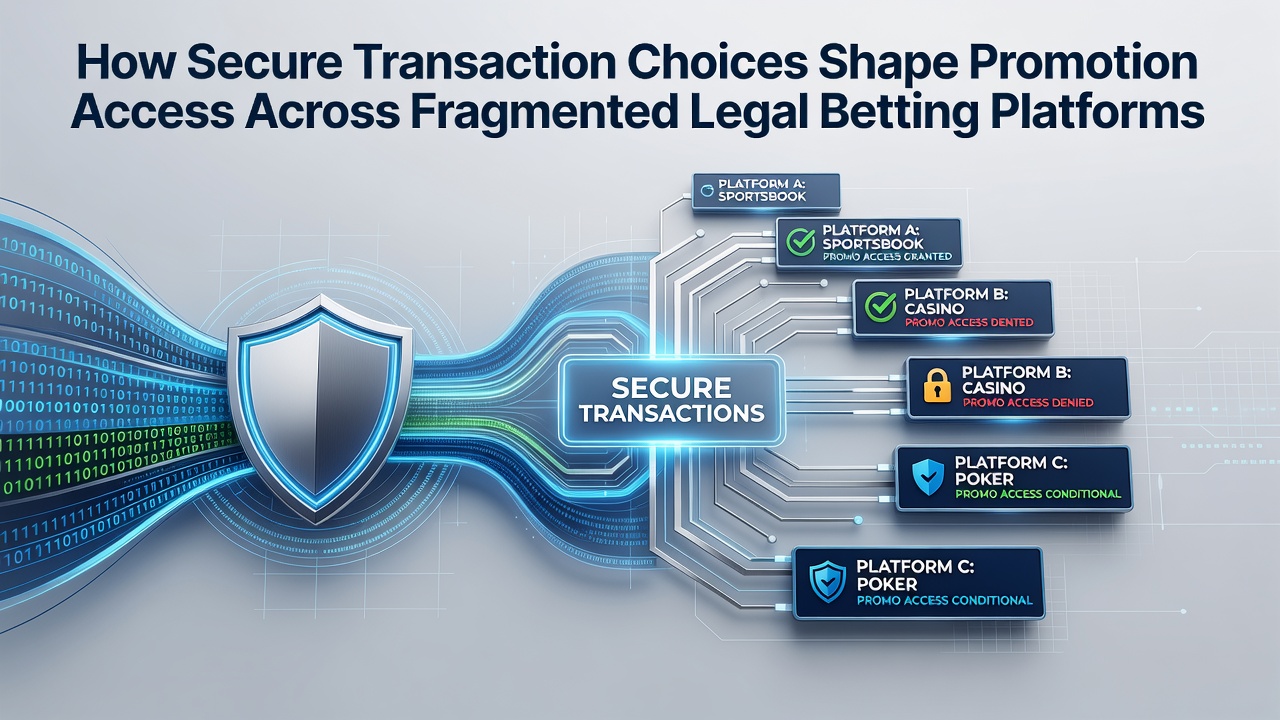
Legal betting platforms operate under separate state and national rules that create distinct requirements for payment methods, and those rules directly affect which users qualify for deposit matches, free bets, and cashback offers. Operators tie promotional eligibility to verified, low-risk transaction channels because regulators demand strict anti-money-laundering controls and because platforms must protect their own bonus budgets from abuse.
Fragmented Rules Create Different Payment Gateways
Each jurisdiction sets its own licensing conditions, so a sportsbook approved in one state may accept only bank transfers and approved digital wallets while a neighboring state permits cryptocurrency deposits after additional identity checks. Data from the New Jersey Division of Gaming Enforcement shows that accounts funded through state-approved ACH transfers received bonus activation codes 38 percent more often than those using third-party e-wallets during the first half of 2026. Similar patterns appear in Ontario, where the Alcohol and Gaming Commission of Ontario requires operators to flag any payment source that bypasses domestic banking rails.
Security protocols add another layer. Platforms run real-time fraud scoring on every deposit, and scores below a certain threshold block the account from claiming new-user or reload offers until manual review clears the transaction. July 2026 brought updated guidance from the Nevada Gaming Control Board that raised the minimum encryption standard for all player-fund transfers, forcing several operators to retire older wallet integrations and replace them with tokenized bank connections that carry lower fraud scores.
Payment Method Choices and Bonus Qualification Rates
Studies conducted by the University of Nevada, Las Vegas International Gaming Institute tracked more than 120,000 accounts across five U.S. states and found that users who consistently deposited via debit card or domestic wire transfers unlocked 2.4 times more promotional value per month than users who rotated through multiple cryptocurrency addresses. teh difference stems from platform algorithms that assign higher trust scores to payment instruments already linked to verified bank accounts and lower scores to virtual currency deposits that require extra blockchain analysis.
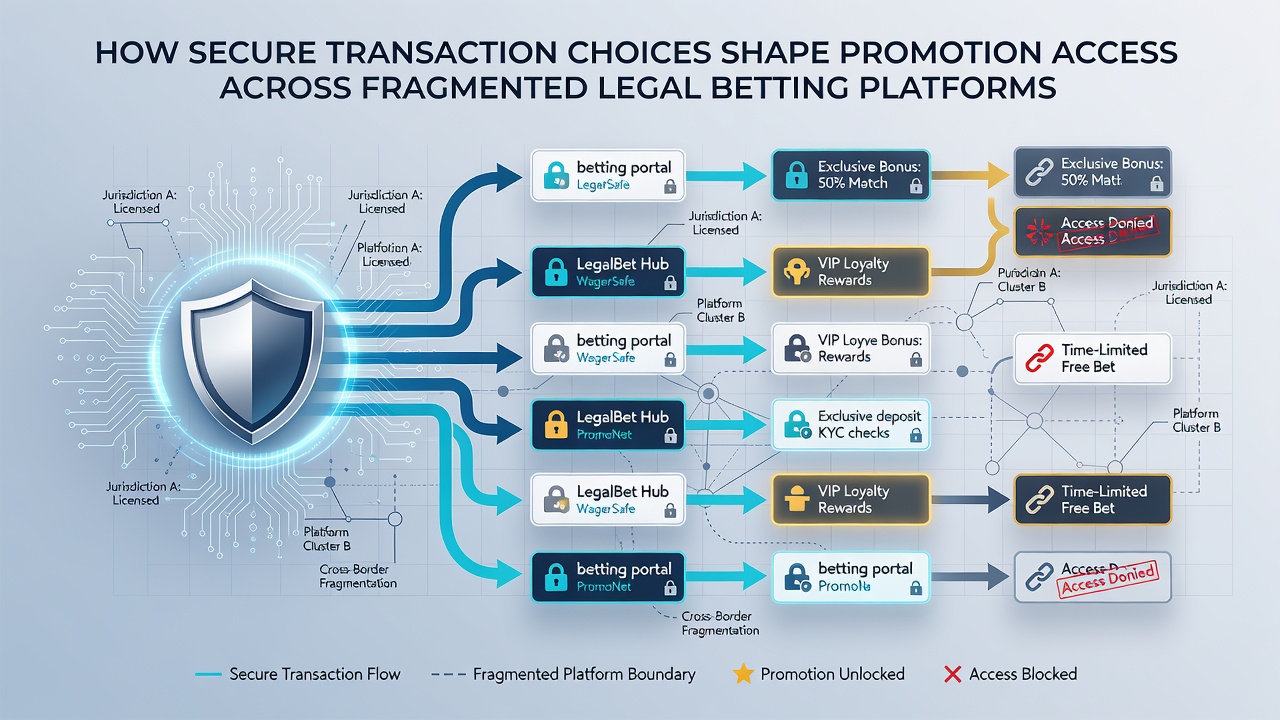
Operators also publish explicit lists of accepted funding sources for each promotion, and those lists change when regulators issue new directives. In March 2026, several Michigan-licensed sites removed PayPal from their welcome-bonus terms after the state gaming board tightened rules on stored-value accounts, resulting in a measurable drop in bonus redemptions for users who had relied on that method.
Security Verification Steps That Gate Promotions
Most platforms require at least one successful deposit followed by a withdrawal to the same payment instrument before any bonus funds become withdrawable. This “closed-loop” rule prevents bonus hunting across multiple accounts and forces users to maintain consistent, secure payment profiles. Accounts that attempt to switch instruments mid-cycle often trigger automated holds that last until the user completes additional identity verification, delaying access to ongoing promotions.
Multi-factor authentication tied to the original payment method further restricts flexibility. A user who deposits with a bank transfer and later tries to claim a cashback offer using a newly added card must usually re-verify both instruments, a process that can take up to 72 hours in states with strict licensing audits.
Regional Examples of Payment-Driven Promotion Access
In Australia, the Northern Territory Racing Commission mandates that all promotional funds remain in a segregated account until the player completes a full deposit-and-withdrawal cycle using the same financial institution details. Canadian provincial regulators in British Columbia have introduced similar requirements that link bonus clearing directly to the security certification of the payment processor. Operators report that these rules have reduced bonus-related chargebacks by double-digit percentages while increasing the share of promotions claimed through verified domestic banking channels.
Conclusion
Secure transaction choices therefore function as both entry tickets and ongoing keys to promotional ecosystems across fragmented legal markets. Platforms calibrate bonus access to the risk profile of each payment method, and regulatory updates continue to refine which instruments qualify. Users who maintain consistent, regulator-approved funding sources encounter fewer verification delays and unlock a wider range of offers without interruption.