30 May 2026
TV Signals Triggering Live Bet Adjustments Across Top US Sportsbooks
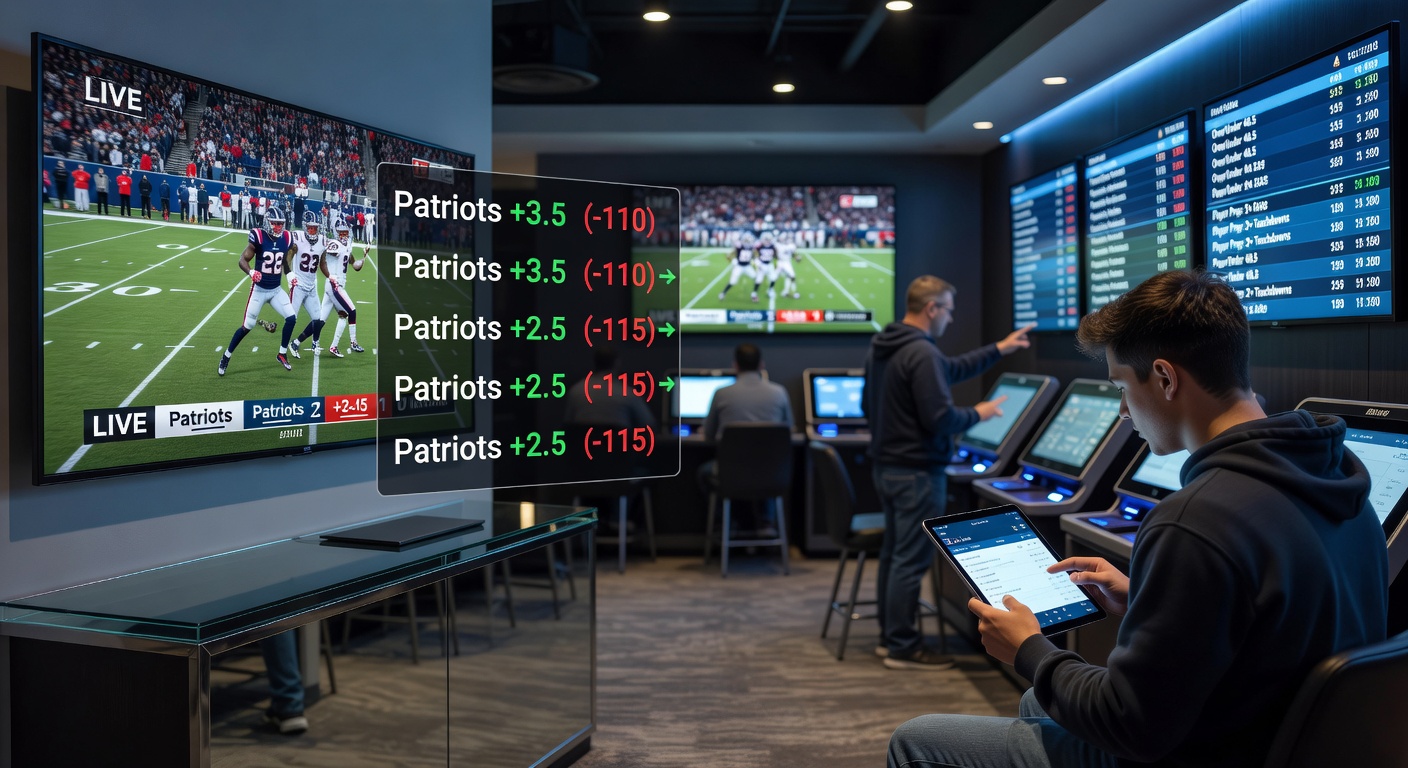
Television broadcasts and in-game betting adjustments operate in a tightly coordinated loop at US sportsbooks where visual cues from games prompt immediate line movements. Operators monitor live feeds to confirm events such as player injuries, momentum shifts, and scoring plays before updating odds that reflect new probabilities. This process has grown more sophisticated since widespread legalization because platforms must balance speed with regulatory compliance across multiple states.
Real-Time Data Integration from Broadcast Sources
Bookmakers combine official play-by-play data with direct observation of television signals to recalibrate in-game markets within seconds of notable developments. When a quarterback exits with an apparent injury during an NFL contest, oddsmakers watch the broadcast for confirmation while cross-referencing team medical reports. Such verification allows them to widen or narrow spreads before the next snap, and bettors who follow the same footage often see lines move in tandem with on-screen developments.
Studies from the University of Nevada, Las Vegas have examined how broadcast latency influences these adjustments, revealing that a typical seven-second delay between the live event and the home viewer still leaves sportsbooks enough margin to react ahead of most retail customers. The same research notes that major operators employ dedicated teams who watch multiple games simultaneously, logging visual indicators that automated systems might miss.
Impact of Camera Angles and Commentary on Line Shifts
Close-up shots and sideline reporters frequently reveal details that trigger rapid odds revisions. A basketball player favoring one leg during a timeout, captured by courtside cameras, can prompt basketball markets to adjust player prop totals before the next quarter begins. Announcer comments about fatigue or strategic changes also factor into decisions, because experienced traders treat credible broadcast information as an additional data stream rather than background noise.
State-by-State Variations in May 2026
By May 2026 several states had refined their rules around in-game wagering windows, requiring sportsbooks to maintain minimum intervals between line updates. Pennsylvania and New Jersey operators responded by tightening internal protocols that tie broadcast monitoring directly to compliance software. These measures ensure that any adjustment prompted by television footage meets timing thresholds set by each gaming control board, reducing the risk of disputes over when information became public.
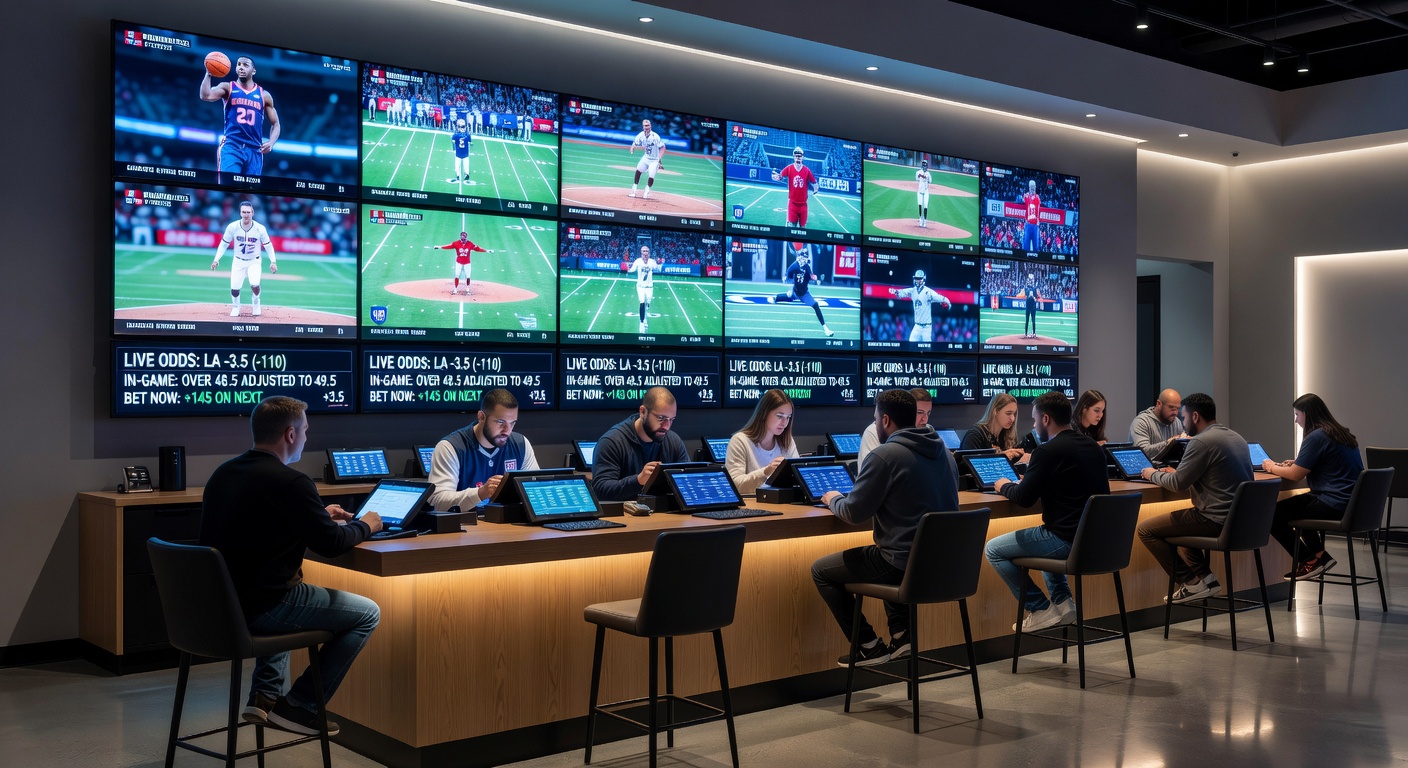
Operators in Michigan and Ohio adopted similar frameworks after reviewing early 2026 data that showed increased volume in live basketball and baseball markets. The additional scrutiny has not slowed adjustment speeds noticeably, because most platforms already maintain redundant monitoring stations that separate broadcast verification from automated feeds.
Technological Tools Supporting Broadcast-Driven Adjustments
Modern sportsbooks deploy optical character recognition and audio analysis to flag on-screen graphics and commentator keywords that historically precede line movements. These tools run alongside human traders who retain final authority, particularly during high-stakes playoff games where a single missed visual cue can create significant liability. The combination allows platforms to update totals and moneylines faster than many casual observers realize, yet still within the guardrails established by state regulators.
Industry reports compiled by the American Gaming Association highlight that live betting now accounts for more than 40 percent of total handle during marquee events, a share that continues to climb as broadcast partnerships improve. The same figures reveal that markets tied to individual player performance adjust most frequently, because television coverage supplies granular details unavailable through box-score data alone.
Challenges Posed by Broadcast Delays and Synchronization
Despite advances in streaming technology, inherent delays between the stadium and the home screen create occasional mismatches. Bettors watching a delayed feed may attempt wagers after an event has already occurred, prompting sportsbooks to implement safeguards that freeze certain markets when official data diverges from broadcast timing. These safeguards rely on direct connections to league data providers rather than television signals, which helps maintain integrity while preserving the visual context that informs most adjustments.
One notable case involved a college football game in which a broadcast blackout forced operators to rely solely on official feeds for the final two minutes. Lines remained static during that window, illustrating how dependent the system remains on synchronized visual confirmation under normal circumstances.
Conclusion
The relationship between television broadcasts and in-game betting adjustments continues to evolve as US sportsbooks refine monitoring techniques and regulatory frameworks mature. Data streams and visual evidence work together to produce timely, accurate odds that reflect unfolding events, while state-level rules ensure these processes stay transparent. As live betting volumes expand through 2026, the interplay between what appears on screen and what appears on betting apps will remain central to how American sports wagering operates.